How to Increase Sperm Production Through Food, Sleep, Exercise and Smarter Male-Fertility Habits
Every sperm released by a man is the result of weeks of biological work.
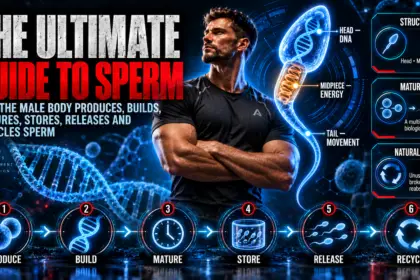
It began as an immature germ cell inside the testicles. It divided, developed and underwent an extraordinary physical transformation. Its genetic material was tightly packaged into a specialised head. A midpiece was equipped to generate energy. A tail was formed to create movement. The developing cell then left the testicle and passed into the epididymis, where it continued maturing and gained the functional abilities needed for its reproductive mission.
None of this happened instantly.
The process required hormonal signals, nutrients, energy, temperature control, functioning reproductive anatomy and time. Yet many men expect their bodies to produce strong sperm while sleeping poorly, eating inconsistently, smoking, drinking heavily, overheating the testicles, neglecting their metabolic health or suppressing sperm production with external testosterone.
They then search for one food, powder or capsule capable of cancelling the accumulated effects of everything else.
Male fertility rarely works that way.
Healthy sperm are built through a system. Food contributes raw materials. Sleep and recovery support the wider hormonal and metabolic environment. Exercise can strengthen general health. Avoiding tobacco, recreational drugs and unnecessary heat removes preventable pressure. Medical assessment can reveal obstacles that discipline alone cannot correct.
If you want to learn how to increase sperm production, the answer is not to chase unlimited numbers or believe promises of guaranteed conception. The intelligent objective is to remove avoidable restrictions and give your reproductive system the strongest realistic conditions for producing sufficient, functional sperm.
You cannot command your body to manufacture unlimited sperm. You can take responsibility for the environment in which sperm are made.
Important medical note
This article provides general education and is not a diagnosis or individual treatment plan. Semen results and fertility problems can have medical, hormonal, genetic, anatomical and lifestyle causes. Speak to a GP, urologist, andrologist or fertility specialist about personal symptoms, medicines, supplements, test results and conception difficulties. Never stop prescribed medicine or hormone treatment without qualified medical advice.
1. Understand What Maximising Sperm Production Really Means
The phrase maximise sperm production can create the wrong picture. It may sound as if the only objective is to produce the highest possible sperm count.
That is too simplistic.
Sperm concentration describes how many sperm are present in each millilitre of semen. Total sperm number considers concentration alongside semen volume. These measurements matter, but they are only part of the fertility picture.
A semen assessment may also examine:
- Semen volume
- Sperm concentration
- Total sperm number
- Total motility
- Progressive motility
- Morphology
- Vitality when clinically relevant
- Whether sperm are present in the ejaculate at all
In selected situations, specialists may also consider additional tests, including sperm DNA fragmentation. These are not automatic replacements for a standard semen analysis, and their usefulness depends on the clinical circumstances.
A man can have millions of sperm while experiencing reduced movement or a low proportion of normally shaped sperm. Another man can have a reasonable concentration but a lower total number because his semen volume is low. A third may be producing sperm inside the testicles but have a blockage preventing those cells from entering the ejaculate.
This is why the real objective is broader:
Support the production, maturation and delivery of sufficient sperm with the strongest function your individual biology can reasonably achieve.
Even excellent semen measurements cannot guarantee pregnancy. Conception also depends on timing, the reproductive health of both partners and many biological events that cannot be completely controlled.
Responsibility is not the same as total control. A man’s job is to improve what can be improved, investigate what appears abnormal and refuse to make promises biology cannot keep.
Alpha Insight
Do not chase the highest sperm count while ignoring the quality, movement and function of the sperm being counted.
2. Measure Before You Attempt to Optimise
You cannot accurately judge sperm production by looking at semen.
You cannot prove fertility through libido, erection quality, ejaculation force, testicular size or sexual confidence. A man can feel healthy, have normal sexual function and still have abnormal semen parameters. He can also receive a disappointing semen result without being permanently infertile.
The primary test is a semen analysis. A laboratory examines a collected sample to assess important measurements such as sperm number, movement and shape. The NHS explains that when a possible problem is found, a second semen analysis is usually performed around three months later. If the second test is also abnormal, further assessment may include blood tests, a testicular ultrasound or urine testing. NHS: Low sperm count
A semen analysis can answer questions that appearance cannot:
- Is sperm present?
- Is the concentration lower than expected?
- Is the total number affected?
- How many sperm are moving?
- How many are moving progressively?
- What proportion has normal morphology under the laboratory’s criteria?
- Does the result justify repeat testing or further investigation?
One result is a snapshot, not a complete biography of your fertility. Fever, illness, incomplete collection, abstinence time and natural biological variation can affect a sample. That is one reason repeat testing is important.
Preparation also matters. Follow the laboratory’s instructions about abstinence, collection and transport. Collect the complete sample if possible, because the first portion of the ejaculate can contain a high concentration of sperm. Tell the clinic if part of the sample was lost rather than pretending the collection was complete.
Do not respond to an abnormal result by buying ten supplements that evening. Start by asking what the result actually means.
Alpha Insight
Testing replaces anxious speculation with evidence—and evidence gives a man something intelligent to act upon.
3. Respect the 90-Day Sperm-Building Window
Sperm production is an ongoing biological process, not an instant response to yesterday’s behaviour.
Developing sperm spend many weeks moving through their formation and maturation journey. This is why approximately 90 days is a useful practical period for changing the environment in which a new generation of sperm develops. It is also why the NHS normally repeats a semen analysis around three months after a possible abnormal result.
The 90-day window is not a magical reset. On day 91, your body does not suddenly discard every sperm influenced by earlier conditions and replace them with a perfect new population.
Sperm development overlaps continuously. Different cells are at different stages at the same time. Some are beginning development while others are maturing or waiting in the epididymis.
The principle is still powerful:
- One nutritious meal will not transform tomorrow’s sample.
- One poor night of sleep will not destroy your fertility.
- One workout will not repair months of inactivity.
- One supplement cannot override smoking, heavy drinking or hormonal suppression.
- Consistent improvements can change the conditions experienced by developing sperm.
Think in production cycles, not quick fixes.
If you are preparing for conception, start earlier than the month in which you hope to conceive. If you are responding to an abnormal semen analysis, give sensible changes time to operate while completing any medical follow-up your clinician recommends.
The calendar does not do the work for you. Ninety days of occasional effort is not the same as 90 days of repeated standards.
Alpha Insight
Sperm production rewards sustained conditions, not occasional gestures of health.
4. Build a Fertility-Supporting Diet
Men often search for a list of foods that increase sperm count. The question is understandable, but it can lead directly into superfood marketing.
No single food has been proven to transform every man’s sperm production. The more defensible strategy is a varied dietary pattern that supplies enough energy, protein, essential fats, fibre, vitamins, minerals and plant compounds to support general and reproductive health.
European guidance recognises that lifestyle improvement can positively affect sperm parameters, but the effect varies and lifestyle is only one part of male infertility care. European Association of Urology: Male infertility
Build most meals from five foundations
1. Colourful vegetables and fruit
Different colours tend to provide different combinations of vitamins, minerals and plant compounds. Rotate leafy greens, peppers, tomatoes, carrots, berries, citrus fruit and other produce rather than depending on one favourite.
2. Quality protein
Sperm production is a cell-building process. Include appropriate protein sources such as fish, eggs, poultry, yoghurt, beans, lentils, tofu or lean meat according to your dietary preferences and medical needs.
3. High-fibre carbohydrates
Oats, potatoes, brown rice, wholegrain bread, beans, lentils and other minimally processed carbohydrate sources can support energy, training and metabolic health. Carbohydrates are not automatically the enemy of testosterone or fertility.
4. Predominantly unsaturated fats
Olive oil, nuts, seeds, avocados and oily fish can help provide essential fats. Fat should not be driven extremely low, but adding unlimited fat does not create unlimited testosterone or sperm.
5. Water
Hydration supports normal body function and semen fluid, but drinking excessive water will not manufacture extra sperm. Use thirst, urine colour, climate, activity and medical advice as practical guides.
Foods worth including regularly
| Food group | Examples | What it contributes |
|---|---|---|
| Oily fish | Salmon, sardines, mackerel, trout | Protein, omega-3 fats, vitamin B12 and other nutrients |
| Eggs | Whole eggs | Protein, choline, vitamin B12 and selenium |
| Pulses | Lentils, chickpeas, beans | Protein, folate, fibre and minerals |
| Leafy vegetables | Spinach, kale, broccoli | Folate, vitamin C and plant compounds |
| Colourful fruit | Berries, oranges, kiwi, grapes | Vitamin C, fibre and polyphenols |
| Nuts and seeds | Walnuts, almonds, pumpkin seeds | Unsaturated fats, protein and minerals |
| Whole grains | Oats, wholegrain bread, brown rice | Energy, fibre and B vitamins |
| Fermented dairy | Natural yoghurt, kefir | Protein and micronutrients when tolerated |
| Lean meat or shellfish | Beef, poultry, oysters and other shellfish | Protein, zinc, iron and vitamin B12 |
This is not a fertility prescription. It is a flexible food structure. Allergies, medical conditions, ethics, culture and calorie requirements must shape the final diet.
What to reduce
The problem is rarely one takeaway or dessert. It is a normal diet dominated by foods that leave little space for nutritional variety.
Reduce dependence on:
- Ultra-processed meals
- Frequent processed meats
- Repeated deep-fried foods
- Excessive added sugar
- Heavy alcohol consumption
- Extreme calorie restriction
- Diets with very little fruit, vegetables or fibre
- Continual overeating that worsens metabolic health
Perfection is unnecessary. Consistency is not.
Alpha Insight
Healthy sperm are not built by one superfood. They are supported by the nutritional pattern a man repeats.
5. Supply the Nutrients Sperm Production Requires
Sperm are living cells. Their production depends on ordinary human nutrition before it depends on a branded “male fertility complex”.
Several nutrients have biological roles in cell division, DNA synthesis, energy metabolism, hormone function, membrane structure or antioxidant defence. These commonly include:
- Zinc
- Selenium
- Folate
- Vitamin B12
- Vitamins C and E
- Vitamin D
- Omega-3 fatty acids
- Choline
- Carnitine
- Coenzyme Q10
- Adequate protein and essential amino acids
That list must be interpreted carefully.
A nutrient being required by the body does not prove that taking a large supplemental dose will increase sperm production.
Correcting a genuine deficiency can be important. Consuming increasingly large quantities after adequacy has been reached may provide no further benefit and can cause harm.
A food-first nutrient map
| Nutrient | Food sources | Sensible interpretation |
|---|---|---|
| Zinc | Meat, shellfish, dairy, beans, pumpkin seeds | Essential mineral; excessive supplemental zinc can interfere with copper status |
| Selenium | Fish, eggs, meat, dairy, grains and nuts | Needed in small amounts; excess selenium can be toxic |
| Folate | Leafy greens, beans, lentils, citrus fruit | Important for normal cell division; more is not automatically better |
| Vitamin B12 | Fish, eggs, dairy, meat and fortified foods | Vegans may require planned fortified foods or supplementation |
| Vitamin C | Peppers, citrus fruit, berries, broccoli | Supports normal antioxidant defences; food intake is preferable to megadosing |
| Vitamin E | Nuts, seeds and plant oils | Fat-soluble vitamin; high-dose supplements can carry risks |
| Vitamin D | Sunlight exposure, oily fish, eggs and fortified foods | Consider testing or NHS guidance rather than guessing at large doses |
| Omega-3 fats | Oily fish, with some plant sources in walnuts and seeds | Supports cell membranes and general health; not a guaranteed fertility treatment |
| Choline | Eggs, fish, meat, dairy, beans and soya | Involved in cell structure and metabolism |
The strongest nutritional plan is not built by isolating one nutrient. It is built by creating coverage across many nutrients while avoiding chronic excess.
If your diet is restricted, you have digestive disease, you take medicines that affect nutrient absorption or a blood test reveals a deficiency, professional guidance becomes more valuable.
Alpha Insight
Give the body what it needs—but do not assume that excessive nutrition creates excessive fertility.
6. Use Supplements as Tools, Not Miracles
Male-fertility supplements are sold through emotionally powerful promises. A man worried about fatherhood can easily feel that declining a large stack means he is not doing enough.
That is not a sound basis for medical decisions.
Some studies have reported improvements in individual semen measurements after particular antioxidants or nutrients. Other trials have not found meaningful benefits, and improved semen parameters do not always translate into pregnancy or live birth.
The AUA/ASRM male-infertility guideline says the clinical benefit of supplements such as antioxidants and vitamins is questionable and that existing evidence is inadequate to recommend specific agents. Current European guidance similarly concludes that evidence is not conclusive and advises against routinely treating idiopathic male infertility with antioxidants. AUA/ASRM male-infertility guideline, European Association of Urology
That does not mean every supplement is worthless. It means the evidence does not justify presenting a universal stack as a proven fertility treatment.
Commonly marketed supplements
| Supplement | Why it is discussed | Responsible position |
|---|---|---|
| Coenzyme Q10 | Involved in cellular energy and antioxidant systems | Some studies report semen-parameter changes; optimal dose and fertility benefit remain uncertain |
| L-carnitine or acetyl-L-carnitine | Involved in fatty-acid metabolism and sperm energy | Investigated for motility; not a guaranteed treatment |
| Zinc | Essential mineral involved in reproduction | Correct deficiency; avoid excessive long-term dosing |
| Selenium | Involved in antioxidant enzymes and sperm biology | Narrow margin between adequate and excessive intake requires caution |
| Folate | Required for cell division and DNA synthesis | Correct inadequate intake; high doses should not be assumed superior |
| Vitamins C and E | Antioxidant nutrients | Evidence for routine treatment is inconsistent; megadosing can create risk |
| Vitamin D | Important to general health | Test and correct deficiency according to appropriate guidance |
| Omega-3 | Important to cell membranes and cardiovascular health | Food sources are useful; fertility-specific benefits are not guaranteed |
| Multinutrient formulas | Convenient combination | Check for duplicated nutrients, hidden high doses and interactions |
The Supplement Decision Filter
Before buying anything, answer these questions:
- What specific problem am I trying to address?
- Has that problem been measured or diagnosed?
- Could a better diet correct the gap?
- What human evidence supports this ingredient for my intended outcome?
- Does the evidence involve sperm count, motility, pregnancy or live birth?
- Is the proposed dose within recognised safety limits?
- Could it interact with medication or a health condition?
- Am I duplicating it across several products?
- Has the product been independently quality tested?
- When will I evaluate whether it has helped?
Do not begin several products simultaneously if you want to understand what changed. Bring the complete list—including doses—to a GP, pharmacist or fertility clinician. “Natural” does not mean interaction-free or impossible to overdose.
Most importantly, do not allow supplement research to become a substitute for arranging the semen analysis, losing excess weight, stopping smoking or discussing testosterone use.
Alpha Insight
A supplement can correct a genuine deficiency. It cannot compensate for every neglected part of a man’s health.
7. Protect Sleep and Recovery
Sleep is not wasted time stolen from productivity. It is a recurring period of biological recovery.
The NHS states that most healthy adults need around seven to nine hours a night, although individual requirements vary. It also recommends a regular routine and simple measures such as making the bedroom comfortable, avoiding caffeine late in the day and putting the phone away before bed. NHS: Sleep problems
Research into sleep and semen quality is still developing, and one additional hour of sleep cannot be translated into a guaranteed increase in sperm count. The responsible conclusion is broader: chronic poor sleep can damage general, metabolic and hormonal health, and those systems form part of the environment in which sperm production takes place.
Build a sleep foundation
- Keep a reasonably consistent sleep and wake time.
- Give yourself enough opportunity for seven to nine hours when possible.
- Keep the room dark, quiet and comfortably cool.
- Reduce stimulating phone use before bed.
- Move caffeine earlier if it delays sleep.
- Avoid using alcohol as a sleeping aid.
- Finish heavy meals early enough that they do not disrupt rest.
- Build recovery time around demanding training.
- Seek medical advice for persistent insomnia.
- Discuss loud snoring, breathing pauses or possible sleep apnoea with a clinician.
Shift workers, carers and parents of young children may not control every night. The objective is not to create guilt over imperfect circumstances. It is to protect sleep opportunity instead of voluntarily sacrificing it to endless scrolling, gaming or late-night entertainment.
A fertility plan that ignores sleep is asking an exhausted body for elite biological performance.
Alpha Insight
A body continually deprived of recovery cannot be expected to perform every biological function at its best.
8. Exercise to Support Fertility—Not Punish the Body
Exercise supports cardiovascular fitness, insulin sensitivity, body composition, mood and wider health. Current European male-infertility guidance identifies low physical activity as one lifestyle factor associated with decreased sperm quality and recommends lifestyle improvement for infertile men. European Association of Urology
The goal is not to discover one magical fertility workout. It is to create an active, metabolically healthier body without driving it into chronic exhaustion.
The general NHS target for adults is at least 150 minutes of moderate activity or 75 minutes of vigorous activity a week, plus strengthening activities for all major muscle groups on at least two days. Long periods of sitting should also be broken up. NHS physical-activity guidelines
A balanced weekly structure
A fertility-supporting plan might include:
- Two to four appropriately programmed resistance-training sessions
- Regular brisk walking or moderate cardiovascular exercise
- Everyday movement rather than prolonged sitting
- Mobility or flexibility work where useful
- At least one lower-demand recovery period
- Adequate food and sleep for the training load
The exact amount depends on age, fitness, health conditions and training history. A sedentary beginner does not need the routine of an endurance athlete.
When exercise becomes another stressor
More is not always better. Problems can arise when hard training is combined with:
- Severe calorie restriction
- Rapid weight loss
- Inadequate sleep
- Persistent exhaustion
- Repeated dehydration
- Heat exposure without recovery
- Anabolic steroids or unregulated performance drugs
- Refusal to respond to pain or declining health
High-volume cyclists do not need to assume they are infertile. However, persistent genital numbness, pain, poor saddle fit or extremely high training volumes deserve attention. Adjust equipment, take breaks and seek professional advice for symptoms.
Train to build a healthier system—not to prove masculinity by ignoring every warning signal.
Alpha Insight
The strongest training plan improves your health without demanding that your reproductive system survive continual punishment.
9. Improve Metabolic Health and Body Composition
Body weight is not a moral score, and a man should not be shamed because his body composition may be affecting his health.
He should still be told the truth.
Obesity can be associated with hormonal and metabolic changes relevant to male fertility. The European Association of Urology lists obesity, low physical activity, smoking and high alcohol intake among the lifestyle factors associated with decreased sperm quality. It notes that weight loss may help some sperm parameters, while also acknowledging that the evidence is not uniform. European Association of Urology
The answer is not a crash diet. Severe energy restriction can reduce nutritional coverage, impair training recovery and create another form of physiological stress.
A better strategy
- Create a modest, sustainable calorie deficit when weight loss is appropriate.
- Eat sufficient protein to support muscle maintenance.
- Perform resistance training.
- Increase walking and general movement.
- Choose high-fibre carbohydrates and minimally processed foods.
- Improve sleep.
- Limit liquid calories and heavy alcohol intake.
- Monitor blood pressure, blood glucose and cholesterol when advised.
- Seek professional support for obesity, diabetes or eating difficulties.
Being underweight, chronically under-eating or training without enough fuel can also work against health. The target is not simply a lower number on the scale. It is a stronger metabolic environment.
Measure progress through waist circumference, strength, energy, blood markers and sustainable habits—not just daily body-weight fluctuations.
Alpha Insight
The objective is not to become lighter at any cost. It is to build a healthier metabolic environment in which reproductive function can operate.
10. Protect the Testicles from Excessive Heat
The testicles sit outside the main body cavity for a biological reason: sperm production operates at a temperature below core body temperature.
This does not mean every warm shower threatens fatherhood. Men do not need to fear normal clothing, summer weather or occasional heat.
The useful question is whether the testicles are being exposed to unnecessary, repeated or prolonged heat—particularly when conception is a current goal or semen results are already abnormal.
Practical heat-control habits
- Do not rest an operating laptop directly on your lap for long periods.
- Reconsider frequent, prolonged hot-tub use while trying to conceive.
- Take sensible breaks from saunas and heated seats.
- Change out of hot, wet training clothes.
- Use breathable, comfortable underwear.
- Take cooling and rest breaks in hot workplaces where allowed.
- Avoid sitting for hours without movement.
- Treat a significant fever seriously and understand that its effects may appear in a later semen sample.
The NHS specifically suggests loose-fitting underwear because tighter underwear can increase testicular temperature and may affect sperm quality. It also advises avoiding certain occupational exposures where possible. NHS: Low sperm count
Do not turn heat management into obsession. A man does not need to place ice directly against his testicles, use unsafe cooling devices or injure his skin in the pursuit of lower temperatures.
Remove unnecessary heat. Do not create unnecessary harm.
Alpha Insight
Do not become frightened of warmth—but stop exposing the sperm factory to preventable heat without considering the consequence.
11. Understand the Testosterone Fertility Paradox
Testosterone is essential to normal male reproductive function. Yet testosterone taken from outside the body can suppress the very hormonal signals required for sperm production.
The hypothalamus and pituitary gland help regulate the testicles through hormones including luteinising hormone and follicle-stimulating hormone. When external testosterone raises circulating levels, negative feedback can reduce these signals. Sperm production may decline severely or stop.
This is the testosterone fertility paradox:
A man can have more testosterone in his bloodstream while producing fewer sperm inside his testicles.
The AUA/ASRM guideline states that testosterone monotherapy should not be prescribed to men interested in current or future fertility. The Endocrine Society also recommends against starting testosterone therapy in men planning fertility in the near term. AUA/ASRM male-infertility guideline, Endocrine Society testosterone guideline
Anabolic steroids and unregulated “testosterone cycles” can create similar suppression.
Protect yourself before treatment
- Discuss current and future fatherhood plans before starting testosterone.
- Tell a fertility clinician about every hormone or steroid you use.
- Do not assume a “testosterone booster” is safe because it was sold online.
- Consider fertility preservation before gonadotoxic treatment when clinically appropriate.
- Never stop prescribed testosterone suddenly without medical advice.
- Seek specialist help if previous hormone use has affected sperm production.
Recovery after external testosterone or anabolic steroids varies. Sperm production may return for many men, but timing is unpredictable and recovery may be incomplete. This is not a situation for improvised post-cycle therapy purchased online.
Alpha Insight
A treatment that raises blood testosterone can suppress sperm production inside the testicles. Never confuse the two outcomes.
12. Remove Smoking, Recreational Drugs and Excessive Alcohol
The reproductive system does not live in a protected compartment. It is exposed to the habits affecting the rest of the body.
Current European guidance associates smoking and high alcohol intake with decreased sperm quality. The NHS advises men with low sperm counts to stop smoking, reduce alcohol and avoid recreational drugs such as anabolic steroids and cocaine. It recommends no more than 14 UK units of alcohol a week, spread across at least three days. European Association of Urology, NHS: Low sperm count
Smoking
Stopping smoking is one of the clearest ways to remove an exposure associated with poorer sperm parameters. Do not continue buying expensive antioxidants while repeatedly inhaling a major source of oxidative and toxic exposure.
Vaping and nicotine
Vaping is not a proven fertility strategy. Products, doses and exposures vary, and absence of cigarette smoke does not establish reproductive safety. If nicotine dependence is present, ask a GP or pharmacist about evidence-based help to quit.
Alcohol
The greatest concern is repeated heavy or binge drinking. Men trying to conceive should know what a UK unit actually represents and measure honestly rather than estimating by the glass.
Cannabis and other recreational drugs
Evidence differs by substance and pattern of use, but recreational drugs offer no fertility advantage. Be honest with a clinician; the purpose is accurate assessment, not moral judgement.
Anabolic steroids
Steroids deserve separate emphasis because they can directly disrupt the hormonal control of spermatogenesis. A muscular appearance is not evidence of reproductive health.
Removing an exposure does not guarantee conception. It removes a source of avoidable pressure—and that is a worthwhile act of responsibility.
Alpha Insight
Do not finance habits that work against your fertility and then expect a supplement to purchase the result back.
13. Reduce Occupational and Environmental Exposure
Some men work around substances or conditions that may threaten reproductive health:
- Pesticides
- Organic solvents
- Heavy metals
- Industrial heat
- Radiation
- Chemical fumes
- Contaminated dust
The correct response is neither panic nor pretending exposure proves toughness.
Take controlled action
- Follow workplace risk assessments and safety procedures.
- Wear the correct protective equipment.
- Use ventilation and extraction systems properly.
- Wash exposed skin as instructed.
- Keep contaminated workwear away from normal household laundry when guidance requires it.
- Avoid carrying residues into the car or home.
- Report damaged protective equipment or unsafe conditions.
- Ask occupational health about significant exposure.
- Include your occupation in a fertility history.
The NHS advises men with low sperm counts to avoid exposure to pesticides, solvents and some heavy metals where possible. NHS: Low sperm count
Do not abandon employment on the basis of a frightening internet post. Identify the substance, understand the route and level of exposure, use established controls and obtain qualified advice.
Alpha Insight
A man cannot remove every environmental risk, but he can stop treating preventable exposure as an unavoidable part of being strong.
14. Investigate Medical Bottlenecks Lifestyle Cannot Fix
Lifestyle improvement matters, but it cannot open every blockage, repair every genetic problem or correct every hormonal disorder.
Possible medical contributors to impaired sperm production or delivery include:
- Varicocele
- Testicular injury or torsion
- Previous undescended testicle
- Infection or inflammation
- Hormonal disorders
- Ejaculatory dysfunction
- Obstruction in the reproductive tract
- Genetic or chromosomal conditions
- Pituitary disease
- Testicular failure
- Previous chemotherapy or radiotherapy
- Some prescribed medicines
- Complications of surgery
The AUA/ASRM guideline emphasises that male evaluation can identify conditions requiring medical or surgical treatment and can direct couples towards appropriate fertility care. AUA/ASRM male-infertility guideline
Seek advice earlier when you have
- Testicular pain, swelling or a lump
- A sudden testicular change
- Noticeable differences in testicular size
- Ejaculation or erection problems
- Previous testicular surgery, torsion or injury
- A history of undescended testicles
- Cancer treatment
- Known hormone or genetic problems
- Current or previous testosterone or steroid use
- Two abnormal semen analyses
- A partner with whom conception has not occurred after the recommended period of trying
The NHS advises seeing a GP after one year of regular unprotected sex without conception, or after six months when the female partner is aged 36 or over. Both partners should be assessed rather than placing the entire burden on one person. NHS: Low sperm count
Do not stop prescribed medicine because a forum claims it affects sperm. Ask the prescriber whether the medicine is relevant, whether testing is appropriate and whether a safer alternative exists.
Alpha Insight
Discipline includes knowing when a problem requires medical investigation instead of another lifestyle experiment.
15. Do Not Confuse Semen Volume, Abstinence and Sperm Production
A larger ejaculation does not automatically contain more sperm. A smaller volume does not automatically prove low sperm production.
Most semen fluid comes from accessory glands, particularly the seminal vesicles and prostate. Sperm cells form only one component of the ejaculate.
Semen volume may be influenced by:
- Abstinence time
- Collection completeness
- Ejaculation frequency
- Hydration
- Glandular function
- Certain medicines
- Obstruction or ejaculatory problems
This is why judging fertility by appearance is unreliable.
Should a man “save up” sperm?
Long abstinence may increase the number of sperm in an individual sample, but it does not mean the sperm are automatically more functional. Conversely, frequent ejaculation may temporarily reduce the number in a single ejaculate without proving that the testicles have stopped producing sperm.
For laboratory testing, follow the clinic’s specified abstinence period so the result can be interpreted correctly. For natural conception, the NHS recommends sex every two to three days without contraception. ASRM guidance notes that the highest pregnancy rates are seen with intercourse every one to two days during the fertile window, although less frequent intercourse can still be effective. NHS: Low sperm count, ASRM: Optimising natural fertility
The goal is not to defend the appearance or volume of one ejaculation. It is to use timing appropriate to the purpose: standardised collection for testing, regular intercourse for natural conception or clinic-specific instructions for assisted reproduction.
Alpha Insight
Appearance is not analysis. A man cannot accurately assess sperm production by looking at his semen.
16. Build a Repeatable 90-Day Sperm Production System
Knowledge becomes valuable when it changes behaviour.
Do not attempt to perfect sixteen areas tonight. Build the system in the correct order.
The Sperm Production Hierarchy
- Measure — obtain appropriate evidence.
- Investigate — identify medical, hormonal or anatomical limitations.
- Remove — reduce smoking, drugs, excessive alcohol, heat and toxins.
- Build — improve food, sleep, exercise and metabolic health.
- Correct — address diagnosed conditions or deficiencies with qualified help.
- Maintain — repeat the system across approximately 90 days.
- Reassess — review adherence, repeat testing when appropriate and refine the plan.
Do not place supplements at the top of a hierarchy whose foundations remain neglected.
Days 1–30: Remove the suppressors
- Arrange a semen analysis if appropriate.
- Record all medicines and supplements.
- Tell a clinician about testosterone or steroid use.
- Stop smoking and recreational drugs.
- Reduce heavy alcohol consumption.
- Remove repeated unnecessary heat exposure.
- Identify occupational risks.
- Set a consistent sleep opportunity.
- Choose a realistic exercise starting point.
Required result
By day 30, you should know what you are changing, what may require professional assessment and which obvious suppressors are being removed.
Days 31–60: Strengthen the foundations
- Build meals around whole-food foundations.
- Increase fruit and vegetable variety.
- Establish adequate protein intake.
- Exercise consistently without overtraining.
- Improve body composition gradually when appropriate.
- Correct confirmed deficiencies.
- Follow up testicular, hormonal or sexual symptoms.
- Use supplements only through an informed decision process.
Required result
By day 60, the new habits should be part of an operating system rather than a short burst of motivation.
Days 61–90: Stabilise and assess
- Continue without continually changing the plan.
- Record adherence honestly.
- Attend medical appointments.
- Review sleep, alcohol, training and diet.
- Complete repeat testing when recommended.
- Compare evidence rather than relying on feeling.
- Decide what must continue for the next cycle.
Required result
By day 90, you should have a clearer picture of your reproductive health, a stronger lifestyle foundation and defined next steps.
Alpha Insight
The best sperm-production system is not the most extreme. It is the one a man can execute consistently across the entire development cycle.
The Sperm Factory Audit
Score each area from 1 to 5:
- 1: serious weakness or unknown
- 2: inconsistent and below the standard required
- 3: acceptable but needs improvement
- 4: strong and generally consistent
- 5: fully controlled or professionally managed
| Area | Score | Evidence for my score | Next action |
|---|---|---|---|
| Diet quality and variety | |||
| Fruit and vegetable intake | |||
| Protein and healthy-fat intake | |||
| Sleep duration and consistency | |||
| Exercise and daily movement | |||
| Recovery from training | |||
| Body composition and metabolic health | |||
| Smoking or nicotine exposure | |||
| Alcohol intake | |||
| Recreational-drug exposure | |||
| Testosterone or anabolic-steroid use | |||
| Testicular heat exposure | |||
| Occupational exposure | |||
| Medicine and supplement review | |||
| Testicular symptoms or previous injuries | |||
| Previous semen analysis | |||
| Current fertility plan |
Now answer:
- Which three areas are most likely to be limiting my reproductive health?
- Which one can I improve immediately?
- Which concern requires medical advice?
- What will I repeat for the next 90 days?
- How will I measure adherence?
- On what date will I review the result?
Do not use the audit to diagnose infertility. Use it to expose neglected actions and organise appropriate follow-up.
The Daily Sperm-Support Checklist
Use this as a simple daily standard—not an obsession:
-
I ate a varied selection of minimally processed foods.
-
I included quality protein.
-
I ate fruit and vegetables.
-
I moved my body or completed planned training.
-
I avoided smoking and recreational drugs.
-
I kept alcohol within my chosen limit.
-
I avoided unnecessary prolonged testicular heat.
-
I took only supplements and medicines included in my informed plan.
-
I protected tonight’s sleep opportunity.
-
I completed any medical follow-up due today.
A missed box is information, not permission to abandon the system. Correct the next decision.
Frequently Asked Questions
How long does it take to increase sperm production?
Sperm develop over many weeks, so approximately three months is a sensible period over which to establish healthier conditions and consider repeat testing. Results vary, and some medical causes will not respond to lifestyle changes alone.
What are the best foods for sperm production?
There is no universally proven “best” food. Build a varied diet containing vegetables, fruit, pulses, whole grains, quality protein, nuts, seeds, olive oil and oily fish when suitable. Dietary pattern and adequacy matter more than one superfood.
Can supplements increase sperm count?
Some trials report changes in semen parameters after particular supplements, but major guidelines consider the evidence insufficient to recommend a universal antioxidant or vitamin treatment for male infertility. Correct genuine deficiencies and discuss supplements with a qualified professional.
Is zinc good for sperm production?
Zinc is an essential nutrient involved in male reproductive biology. Correcting inadequate intake is sensible, but high-dose long-term supplementation can create problems, including interference with copper status. More zinc is not automatically better.
Are CoQ10 and L-carnitine useful for sperm?
Both have been studied, particularly in relation to energy metabolism and motility. Results are mixed, and there is no guaranteed improvement in conception or live birth. Consider the evidence, product quality, dose, interactions and your actual diagnosis before use.
Does sleep affect sperm health?
Sleep supports general recovery, metabolic health and hormone function. Research cannot promise a precise increase in sperm count from a specific number of hours, but regularly depriving the body of sleep is not a sound reproductive-health strategy. Most healthy adults need around seven to nine hours.
Can exercise increase sperm production?
Regular activity can support general, metabolic and hormonal health, and low physical activity is associated with poorer sperm quality. Exercise is not a cure for every fertility problem. Train consistently, fuel appropriately and avoid chronic exhaustion or steroid use.
Can too much exercise reduce fertility?
Extreme training combined with under-eating, poor recovery, heat exposure or performance-enhancing hormones may work against reproductive health. The relevant issue is not exercise alone but the complete stress and recovery balance.
Does testosterone increase sperm count?
External testosterone can suppress the hormonal signals required for sperm production and may reduce sperm count severely. Men who want children should discuss fertility before beginning testosterone therapy.
Can sperm production recover after anabolic steroids?
Recovery is possible for many men, but it varies and can take months or longer. Some men require specialist treatment, and recovery is not guaranteed. Do not attempt unregulated hormone treatment yourself.
Does frequent ejaculation reduce sperm production?
Frequent ejaculation can change the number of sperm in an individual sample, but it does not mean the testicles have stopped producing sperm. Follow laboratory instructions before a semen analysis and clinic advice during fertility treatment.
Should I abstain for a long time before trying to conceive?
Long abstinence is not automatically better. For natural conception, regular intercourse is generally recommended. The NHS suggests every two to three days; intercourse every one to two days during the fertile window is also supported by ASRM guidance.
Does a large semen volume mean a high sperm count?
No. Most semen volume comes from reproductive glands, while sperm cells form only part of the ejaculate. A semen analysis is needed to measure concentration and total number.
Can low sperm count improve naturally?
It can improve in some men, especially when a reversible exposure, lifestyle factor or treatable condition is identified. Other causes require medical or assisted-reproduction support. Testing and investigation are more useful than guarantees.
When should I see a fertility specialist?
Seek help after the recommended period of trying without conception, after repeated abnormal semen results or sooner when you have testicular symptoms, ejaculation problems, previous cancer treatment, known reproductive conditions or hormone and steroid exposure.
Conclusion: Build the Conditions—Then Let Evidence Lead
The search for how to increase sperm production often begins with a product. It should begin with a question:
What is currently helping or restricting the reproductive system I already have?
For one man, the most important action may be stopping anabolic steroids. For another, it may be losing excess weight gradually, addressing a varicocele, correcting a diagnosed deficiency, protecting sleep or completing the semen analysis he has been avoiding.
These actions are not equally important for every man. That is why random optimisation is inferior to informed action.
Measure what can be measured. Investigate abnormal results. Remove avoidable suppressors. Build a diet and lifestyle capable of supporting wider health. Use supplements with evidence and restraint. Give the process enough time to work, then reassess.
Do not allow an imperfect week to become an abandoned 90-day system. Sperm are being produced continuously. The next meal, night of sleep, training decision and medical appointment can still improve the environment experienced by cells developing now.
There are no guarantees. A disciplined lifestyle cannot change every genetic condition, reopen every obstruction or reverse every form of testicular damage. But responsibility does not require certainty. It requires a man to take the best actions available without pretending he controls every biological outcome.
You now understand what sperm are. The next step is to respect what their production requires.
Build the conditions. Protect the system. Test when appropriate. Let evidence—not fear, appearance or marketing—decide what happens next.
Closing Declaration
I will stop searching for one miracle capable of replacing an entire system.
I will give sperm production the nutrition, recovery and protection it requires.
I will measure my reproductive health instead of judging it through appearance or sexual performance.
I will protect my hormonal signals from reckless testosterone and steroid use.
I will remove habits that work against the future I want.
I will use supplements intelligently and never mistake marketing for evidence.
I will investigate problems that lifestyle alone cannot solve.
I will respect the time required to build a new generation of sperm.
For the next 90 days, my actions will create the strongest environment I can reasonably provide for healthy sperm production.
Final Line
Healthy sperm are not created by hope, hype or one heroic day. They are built through the conditions a man repeatedly creates.


No spam. Unsubscribe anytime.