If you want to increase sperm count, you need to stop thinking of fertility as luck.
Your body is always responding to your habits.
The way you sleep, eat, train, recover, handle stress, use alcohol, manage heat exposure, and care for your health can all affect your reproductive system.
That does not mean every fertility issue can be fixed naturally.
Some men have medical causes of low sperm count, including varicocele, hormone imbalance, genetic conditions, infections, blockages, medication effects, or past injuries.
But many men can still improve the environment where sperm are produced.
That is where discipline matters.
For a man who wants children, legacy, and long-term strength, sperm health is not a soft topic. It is part of the same standard that drives training, leadership, self-control, and masculine responsibility.
At Alpha Circle Club, the message is built around discipline and ownership. Fertility fits that message because a man who wants a strong future must first take command of his own body.
This guide explains how to increase sperm count naturally, what causes poor sperm production, what habits matter most, and when testing or medical support is needed.
What Sperm Count Actually Means
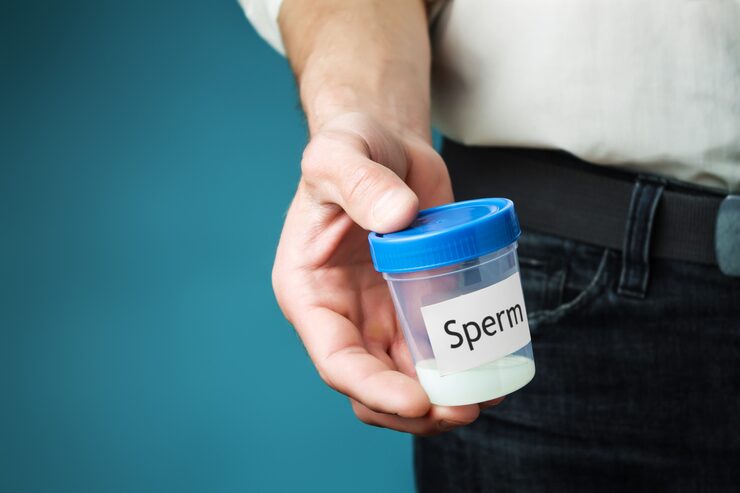
Sperm count refers to the number of sperm in a semen sample.
More specifically, doctors often look at sperm concentration, which means how many sperm are present in each milliliter of semen.
They may also look at total sperm count, which measures the total number of sperm in the full sample.
When sperm numbers are lower than expected, conception can become harder because fewer sperm are available to reach and fertilize the egg.
But sperm count is not the whole story.
A man can have a decent sperm count but poor sperm motility. That means the sperm are present, but they do not move well enough.
A man can also have sperm with abnormal shape, DNA damage, or other semen issues.
So, when men ask how to increase sperm count, they should also think about overall sperm health.
The goal is not just more sperm.
The goal is healthier, stronger, better-functioning sperm.
Low Sperm Count Is Not Always Obvious
One of the most important things men need to understand is that low sperm count usually has no clear outward symptoms.
A man can have normal erections.
He can have normal ejaculation.
He can have strong libido.
He can train hard and feel masculine.
Still, his sperm count may be low.
That is why guessing is dangerous.
You cannot judge sperm count by how much semen you see. You cannot judge it by confidence, sexual performance, or physical strength.
The only reliable way to know is through a semen analysis.
This test measures key fertility markers, including semen volume, sperm concentration, total count, movement, and shape.
A strong man does not avoid this information.
He uses it.
Why Sperm Count Can Drop
A low sperm count may happen for many reasons.
Sometimes it is temporary.
Sometimes it is connected to lifestyle.
Sometimes it comes from a medical issue that needs real treatment.
This is why men should avoid blaming themselves too quickly. Responsibility is important, but so is accuracy.
Heat Exposure
Sperm production is sensitive to temperature.
The testicles sit outside the body because sperm production works best at a cooler temperature than the rest of the body.
Frequent heat exposure may affect sperm production in some men.
This can include hot tubs, saunas, tight underwear, laptops placed on the lap, heated seats, and high-heat work environments.
A man does not have to live in fear of heat.
But if he is trying to increase sperm count, it makes sense to reduce repeated unnecessary heat exposure for a few months.
Smoking
Smoking is one of the most damaging lifestyle habits for male reproductive health.
It may affect sperm count, movement, shape, oxidative stress, and DNA quality.
It also harms blood vessels, lungs, stamina, recovery, and long-term health.
If a man wants better fertility, quitting smoking is not optional.
It is one of the strongest moves he can make.
A man who protects his future does not keep feeding a habit that weakens his body.
Heavy Alcohol Use
Heavy drinking can affect testosterone, liver function, sleep, sexual performance, and sperm production.
Alcohol can also push a man into weaker routines.
Poor sleep, poor food, missed workouts, dehydration, and lower discipline often come with frequent drinking.
Moderate intake is different from heavy drinking, but men trying to conceive should be honest about how much they actually drink.
If alcohol is hurting sleep, hormones, mood, training, or discipline, it is hurting more than just fertility.
Obesity and Poor Metabolic Health
Excess body fat can influence hormones, inflammation, insulin resistance, and testosterone balance.
This may affect male fertility and sperm production.
A man does not need to look like a fitness model to improve fertility.
But he should aim for a healthier body composition, stable energy, better blood sugar control, and stronger cardiovascular health.
The body produces better outcomes when it is not constantly inflamed, overloaded, and exhausted.
Anabolic Steroids and Testosterone Misuse
This is one of the biggest fertility mistakes men make.
Many men believe more testosterone means better masculinity and better fertility.
That is not how it works.
External testosterone and anabolic steroids can signal the brain to reduce the hormones needed for sperm production.
In some men, sperm count can drop sharply.
In others, sperm production may become extremely low or stop.
A man who wants children should never use testosterone, steroids, or hormone products casually.
If he has symptoms of low testosterone, he needs proper testing and a doctor who understands fertility-preserving options.
Looking powerful is not the same as being reproductively healthy.
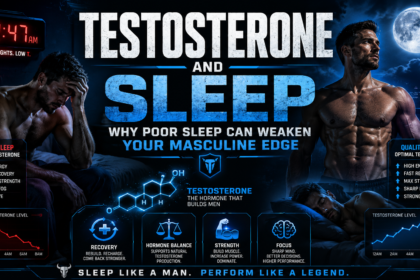
Poor Sleep
Sleep is not just rest.
It affects hormones, recovery, immune function, metabolism, appetite, mood, and testosterone regulation.
A man who sleeps badly for months is not giving his reproductive system the conditions it needs.
Late nights, inconsistent sleep times, screens in bed, alcohol before sleep, and chronic stress all create a weaker internal environment.
If you want to increase sperm count, sleep is one of the first pillars to fix.
Stress and Nervous System Overload
Stress does not automatically cause infertility, but chronic stress can damage the routines that support fertility.
It can affect sleep, libido, appetite, training, hormones, and inflammation.
It can also make couples feel pressured during conception.
Stress control is not about being soft.
It is about command.
A disciplined man learns to control his environment, his reactions, and his routines.
Nutrient Deficiency
Sperm production requires nutrients.
A poor diet built around ultra-processed foods, low protein, low micronutrients, and unstable energy intake does not support optimal fertility.
Men need enough protein, healthy fats, minerals, antioxidants, vitamins, and calories.
A fertility-supportive diet does not need to be complicated.
It needs to be consistent.
Can You Really Increase Sperm Count Naturally?
In many cases, men can support sperm count naturally.
But the word “naturally” should not be used carelessly.
Natural improvement means building a better biological environment through sleep, nutrition, exercise, body weight, toxin reduction, stress control, and better medical awareness.
It does not mean ignoring doctors.
It does not mean replacing treatment with supplements.
It does not mean every man can reverse low sperm count without help.
A better way to say it is this:
Many men can improve the conditions that support sperm production naturally, while some men also need medical evaluation and treatment.
That is the honest answer.
And honesty matters in fertility.
The 90-Day Sperm Count Mindset
Sperm production takes time.
That is why men should not expect overnight results.
A full sperm development cycle takes roughly a few months, which is why many fertility experts discuss lifestyle changes in a two to three month window.
This makes 90 days a practical timeframe.
It gives a man enough time to remove damaging habits, build better routines, and then consider retesting.
A 90-day plan is not a magic promise.
It is a disciplined structure.
It tells the body, “We are changing the environment now.”

90-Day Sperm Count Improvement Table
| Timeline | Main Goal | What to Focus On | Why It Matters |
| Days 1 to 15 | Remove the biggest damage | Quit smoking, reduce alcohol, avoid heat, stop steroids, improve bedtime | Reduces major stressors on sperm production |
| Days 16 to 30 | Build the foundation | Add protein, fruits, vegetables, hydration, daily walking | Supports nutrients, metabolism, and recovery |
| Days 31 to 45 | Strengthen the body | Train 3 to 4 times weekly, improve body composition, avoid overtraining | Supports hormones and circulation |
| Days 46 to 60 | Improve recovery | Better sleep schedule, lower evening stress, manage caffeine | Helps hormonal rhythm and energy |
| Days 61 to 75 | Tighten consistency | Keep habits stable, avoid binge drinking, review medications | Protects progress already built |
| Days 76 to 90 | Test and review | Consider a semen analysis if trying to conceive | Gives real data instead of guesswork |
Step 1: Get a Semen Analysis First
If a couple has been trying to conceive without success, a semen analysis should be taken seriously.
Many men try to increase sperm count without knowing their starting point.
That is like trying to build muscle without knowing your weight, training numbers, or recovery status.
A semen analysis gives clarity.
It may show low sperm count, poor motility, abnormal morphology, low semen volume, or other semen concerns.
It may also show that sperm count is not the main issue.
That matters.
If count is normal but motility is poor, the strategy may be different.
If sperm are absent, that needs medical investigation.
If semen volume is low, there may be a different cause.
Data beats guessing.
A man serious about his future should not fear the test.
Step 2: Stop Smoking Completely
If you smoke and want to increase sperm count, quitting is one of the most important steps.
Smoking affects the body on many levels.
It increases oxidative stress, damages blood vessels, reduces oxygen delivery, affects hormones, and may harm semen quality.
It also weakens the masculine foundation most men claim to value.
You cannot build elite discipline while staying loyal to a habit that slowly damages your body.
Quitting smoking is hard.
But fertility, fatherhood, stamina, and long-term health are worth the fight.
If quitting alone is difficult, get medical support.
That is not weakness.
That is strategy.
Step 3: Cut Heavy Alcohol Use
Alcohol is often normalized in male culture.
But normalized does not mean harmless.
Heavy drinking can lower testosterone, weaken sleep, reduce recovery, affect erections, and interfere with sperm production.
If you are actively trying to conceive, reducing alcohol is a smart move.
For some men, that may mean cutting back.
For others, it may mean stopping completely for 90 days.
A man who cannot control alcohol will struggle to control bigger things.
Fertility is not only about sperm.
It is about discipline.
Step 4: Avoid Heat Around the Testicles
Heat can work against sperm production.
If you are serious about improving sperm health, reduce unnecessary heat exposure for 90 days.
That means being careful with hot tubs, long hot baths, frequent sauna use, tight underwear, heated seats, and laptops on your lap.
This does not need to become obsessive.
Just be practical.
Choose looser underwear.
Keep laptops on a desk.
Limit hot tub exposure while trying to conceive.
Take breaks if you work in high heat.
Small changes can support a better environment for sperm production.
Step 5: Fix Sleep Before Chasing Supplements
Many men want a supplement before they fix bedtime.
That is backward.
Sleep affects testosterone, recovery, appetite, stress hormones, mood, and metabolism.
Poor sleep also makes every other habit harder.
You crave worse food.
You train poorly.
You drink more caffeine.
You become more irritable.
You lose discipline.
If you want to increase sperm count, protect your sleep like a serious responsibility.
Aim for a consistent sleep schedule.
Keep the room cool and dark.
Reduce screens before bed.
Avoid heavy alcohol near bedtime.
Do not train intensely too late if it affects sleep.
A man who sleeps well is not lazy.
He is recovering with purpose.
Step 6: Eat a Fertility Diet for Men
A strong fertility diet for men should support hormones, antioxidants, body composition, and overall health.
It should not be extreme.
Most men do not need a perfect diet.
They need a better diet they can actually follow.
The foundation should include protein, healthy fats, vegetables, fruits, whole grains or quality carbohydrates, and enough minerals.
A plate built around real food will almost always beat a diet built around snacks, fast food, energy drinks, and random supplements.
Protein for Sperm Health
Protein supports tissue repair, muscle, metabolism, hormones, and satiety.
Good sources include eggs, fish, chicken, lean beef, Greek yogurt, cottage cheese, lentils, beans, and other whole-food proteins.
Men who train hard need to be especially mindful of protein.
A body that is underfed or poorly recovered is not in an ideal reproductive state.
Healthy Fats for Hormones
Healthy fats help support hormone production and cell health.
Good options include olive oil, avocado, nuts, seeds, eggs, and fatty fish.
Men should not fear healthy fats.
The issue is not fat itself.
The issue is poor-quality calories from fried food, processed snacks, and constant overeating.
Antioxidant-Rich Foods
Sperm are sensitive to oxidative stress.
Antioxidant-rich foods may help support the body’s defense system.
Good options include berries, citrus fruits, leafy greens, tomatoes, peppers, carrots, pomegranate, and cruciferous vegetables.
This does not mean one fruit will transform fertility.
It means a consistent pattern of nutrient-rich eating can support healthier sperm production.
Zinc, Selenium, Folate, and Vitamin C
Certain nutrients are often discussed in male fertility.
These include zinc, selenium, folate, vitamin C, vitamin E, omega-3 fatty acids, and CoQ10.
Food should come first.
Supplements may help some men, especially if there is a deficiency, but more is not always better.
High-dose supplements can create problems, interact with medication, or give false confidence.
A serious man does not throw pills at a problem without understanding it.
Fertility Diet Table for Men
| Food Group | Examples | Why It Helps |
| High-quality protein | Eggs, fish, poultry, lean meat, Greek yogurt, beans | Supports hormones, recovery, and tissue repair |
| Healthy fats | Olive oil, avocado, nuts, seeds, fatty fish | Supports hormones and cell function |
| Antioxidant foods | Berries, citrus, leafy greens, tomatoes, peppers | Helps support defense against oxidative stress |
| Mineral-rich foods | Oysters, beef, eggs, Brazil nuts, pumpkin seeds | Provides zinc, selenium, and other fertility-related nutrients |
| Fiber-rich carbs | Oats, potatoes, rice, whole grains, legumes | Supports energy, gut health, and training recovery |
| Hydration | Water, mineral water, hydrating whole foods | Supports general health and semen volume |
Step 7: Train Smart, Not Recklessly
Exercise can support male fertility by improving body composition, circulation, mood, testosterone regulation, insulin sensitivity, and stress control.
But extreme training can become a problem if recovery collapses.
A man trying to increase sperm count should train like someone building strength for life.
That means strength training, walking, conditioning, mobility, and recovery.
It does not mean punishing the body every day.
If you are always sore, exhausted, underfed, and sleeping badly, you are not building health.
You are creating stress.
A good plan may include three to four strength sessions per week, daily walking, moderate cardio, and proper rest.
The goal is to become stronger while keeping the body in a fertile, recovered state.
Step 8: Manage Weight Without Crash Dieting
Healthy weight can support fertility.
But crash dieting is not the answer.
Extreme calorie restriction can weaken hormones, mood, training, libido, and recovery.
If a man needs to lose weight, he should do it steadily.
Small calorie control, high protein, walking, strength training, and better sleep are usually more sustainable than extreme dieting.
The goal is not to starve the body.
The goal is to bring it into a healthier state.
A body under constant survival stress is not the best environment for reproduction.
Step 9: Review Medications and Health Conditions
Some medications and medical conditions may affect fertility.
This can include testosterone therapy, anabolic steroids, some chemotherapy drugs, certain psychiatric medications, some blood pressure medications, and other treatments.
Men should never stop prescribed medication without speaking to a doctor.
But if fertility matters, medication review is smart.
Health conditions also matter.
Diabetes, thyroid problems, infections, hormone disorders, obesity, varicocele, and sexual function issues can all affect fertility.
If something is off, do not ignore it.
A man should handle his health directly.
Step 10: Stop Using Testosterone or Steroids Without Medical Guidance
This deserves its own section because it is so important.
External testosterone and anabolic steroids can crush sperm production.
Many men do not realize this until they try to have children.
They may feel stronger, more muscular, more confident, and more sexually driven, while their sperm count drops.
That is a brutal trade-off if fatherhood matters.
If you are currently using testosterone and want children, do not panic and do not manage it alone.
Speak with a reproductive urologist or a doctor experienced in male fertility.
There may be medical options, but the right approach depends on your body, your labs, and your timeline.
Do not follow random gym advice with your fertility.
Step 11: Reduce Toxin Exposure Where Practical
You cannot live in a bubble.
But you can reduce unnecessary exposure to substances that may not support fertility.
This may include pesticides, solvents, heavy metals, endocrine-disrupting chemicals, smoke, and workplace toxins.
Practical steps matter.
Use protective equipment at work.
Avoid heating food in plastic.
Choose glass or stainless steel when possible.
Wash produce.
Improve ventilation.
Avoid unnecessary chemical exposure.
Do not smoke.
The goal is not fear.
The goal is control.
Step 12: Build a Better Stress System
Stress is part of life.
Weak stress management is the problem.
A man trying to conceive may feel pressure, especially if pregnancy is taking longer than expected.
That pressure can affect sex, mood, sleep, and connection with his partner.
The answer is not to pretend it does not matter.
The answer is to build a better system.
Walk daily.
Pray or meditate.
Train consistently.
Sleep properly.
Limit doom scrolling.
Have direct conversations.
Stop carrying silent shame.
Build routines that lower chaos.
The philosophy behind The Alpha Reports applies here because discipline is not only about physical strength. It is also about emotional control, responsibility, and standards.
Step 13: Time Intercourse Properly
Improving sperm count is important, but timing still matters.
Pregnancy is most likely around the fertile window, which is the time leading up to ovulation.
Couples often mistime intercourse because they guess.
That can create unnecessary frustration.
A man should be involved in the process without turning sex into a mechanical task.
Track the cycle.
Understand ovulation timing.
Keep communication healthy.
Avoid placing all pressure on one specific day.
Fertility is a shared mission, not a performance test.
Step 14: Avoid Long Gaps Without Ejaculation When Trying
Some men think saving sperm for a long time will automatically improve fertility.
That is not always the best approach.
Long abstinence may increase count in some cases, but it may also affect motility or sperm quality.
Clinics usually give specific abstinence instructions before a semen analysis.
For natural conception, regular intercourse during the fertile window is often more practical than extreme abstinence.
Men should follow medical guidance if they are being tested or treated.
The key is not guessing.
The key is using a sensible plan.
What Results Can Men Expect?
Some men may see improved semen parameters after lifestyle changes.
Others may see little change because the cause is medical.
This is why testing matters.
If a man has a mild lifestyle-related issue, better sleep, diet, exercise, weight loss, smoking cessation, and alcohol reduction may help.
If he has a blockage, severe varicocele, genetic issue, or hormone disorder, lifestyle alone may not be enough.
That is not failure.
That is information.
A strong man does not need every problem to be solved by discipline alone.
He needs the discipline to find the right solution.
Chart: What Helps Sperm Count Most
| Habit | Impact Level | Why It Matters | Best Timeframe |
| Quit smoking | High | Reduces a major fertility risk and supports overall health | Start immediately |
| Stop steroids/testosterone misuse | High | External hormones can suppress sperm production | Medical guidance needed |
| Improve sleep | High | Supports hormones, recovery, and stress control | Daily |
| Reduce heat exposure | Medium to high | Sperm production is temperature sensitive | 90 days |
| Improve diet | Medium to high | Supports nutrients, antioxidants, and body composition | Daily |
| Exercise wisely | Medium | Supports metabolism, hormones, and circulation | Weekly |
| Reduce heavy alcohol | Medium | Supports testosterone, sleep, liver health, and discipline | Immediate |
| Manage weight | Medium to high | Supports hormones and inflammation control | Gradual |
| Take supplements carefully | Variable | May help some men, especially with deficiencies | After basics are fixed |
| Get semen analysis | Essential | Reveals the real issue | Early if trying to conceive |
Mistakes Men Make When Trying to Increase Sperm Count
Many men make the same mistakes.
They buy supplements before testing.
They keep smoking but add vitamins.
They sleep five hours and blame genetics.
They train hard but recover poorly.
They use testosterone while trying to conceive.
They ignore heat exposure.
They avoid semen analysis out of pride.
They think sexual performance equals fertility.
They assume the woman is the issue.
They wait too long before getting help.
These mistakes are common, but they can be corrected.
The first step is honesty.
The second step is action.
When to See a Doctor
If a couple has been trying to conceive for 12 months without pregnancy, both partners should be evaluated.
If the female partner is 35 or older, many clinicians recommend evaluation after 6 months.
Men should also seek help earlier if they have known fertility risk factors.
These include testicular pain, swelling, small testicles, history of undescended testicle, cancer treatment, anabolic steroid use, testosterone therapy, sexual function problems, previous reproductive surgery, varicocele, infections, or abnormal semen results.
Do not wait because of ego.
Testing early can save time.
It may also uncover health issues that need attention.
What a Doctor May Check
A doctor may begin with medical history, sexual history, physical examination, and a semen analysis.
If needed, they may order hormone testing.
This can include testosterone, FSH, LH, prolactin, estradiol, and other markers depending on the case.
Some men may need genetic testing.
Others may need scrotal ultrasound, urine testing, infection testing, or specialist evaluation.
Treatment depends on the cause.
That is why guessing is not enough.

What If Sperm Count Is Very Low?
If sperm count is very low, the answer is not panic.
The answer is proper evaluation.
Some causes are treatable.
A varicocele may be treatable in selected cases.
Hormone problems may be manageable.
Infections may need treatment.
Blockages may require specialist care.
Some men may need assisted reproductive technologies.
A low count is not the end of the road.
But it is a sign to stop guessing and get serious.
How Men Can Support Their Partner During Fertility Struggles
Fertility pressure can strain a relationship.
A man should not disappear emotionally.
He should not make his partner carry the burden alone.
He should not assume the problem is hers.
He should get tested.
He should improve his habits.
He should communicate without defensiveness.
He should be steady.
That is leadership.
A man who wants fatherhood should start acting like a father before the child arrives.
That means responsibility, patience, sacrifice, and courage.
The Alpha Standard for Sperm Health
The Alpha standard is not about pretending to be perfect.
It is about refusing to live carelessly.
If you want to increase sperm count, start by raising your daily standard.
Sleep like your future depends on it.
Eat like your body matters.
Train with discipline.
Stop poisoning your system.
Stop hiding from tests.
Stop treating fertility like a woman’s problem.
Stop chasing shortcuts.
Build the body, the mind, and the future at the same time.
That is the real standard.
And it is exactly the kind of discipline men should expect from themselves when they step into the mindset promoted through Alpha Circle Club and its wider message around strength, responsibility, and self-command.
90-Day Daily Checklist for Men
| Daily Habit | Done? | Why It Matters |
| Slept 7 to 9 hours | Supports hormones and recovery | |
| Ate high-quality protein | Supports muscle, metabolism, and reproductive health | |
| Ate fruits or vegetables | Supports antioxidant intake | |
| Walked or trained | Supports circulation, weight, mood, and hormones | |
| Avoided smoking | Protects sperm and overall health | |
| Limited alcohol | Supports sleep, testosterone, and discipline | |
| Avoided heat exposure | Protects sperm production environment | |
| Managed stress | Supports sleep, hormones, and relationship health | |
| Stayed hydrated | Supports general health and semen volume | |
| Stayed consistent | Builds long-term improvement |
FAQs About Increasing Sperm Count
Can you increase sperm count naturally?
Many men can support sperm production naturally through better sleep, nutrition, exercise, smoking cessation, lower alcohol intake, heat reduction, stress management, and healthier body weight.
However, natural changes do not fix every case of low sperm count. Medical causes such as varicocele, hormone imbalance, blockages, genetic conditions, or infections may require professional care.
How long does it take to increase sperm count?
A practical timeframe is around 90 days because sperm production takes time.
Some men may see changes in semen parameters after two to three months of consistent lifestyle improvement. Others may need medical treatment or longer-term changes.
What foods increase sperm count?
No single food guarantees higher sperm count.
A strong fertility diet for men includes protein, fruits, vegetables, healthy fats, whole-food carbohydrates, zinc-rich foods, selenium-rich foods, and antioxidant-rich foods.
Consistency matters more than one “superfood.”
Does quitting smoking improve sperm count?
Quitting smoking can support better fertility and overall health.
Smoking is linked with poorer semen quality in multiple ways, so stopping is one of the most important lifestyle changes for men who want better sperm health.
Can alcohol lower sperm count?
Heavy alcohol use may affect testosterone, sperm production, erections, sleep, and liver health.
Men trying to conceive should consider reducing alcohol or avoiding it, especially during a focused 90-day fertility improvement period.
Does heat really affect sperm count?
Yes, sperm production is sensitive to heat.
Frequent hot tubs, saunas, heated seats, tight underwear, and laptops on the lap may affect some men, especially those already dealing with fertility concerns.
Can testosterone increase sperm count?
External testosterone can reduce sperm production and may cause very low sperm count in some men.
Men who want children should not use testosterone therapy or anabolic steroids without medical guidance from a doctor who understands fertility.
Should I take fertility supplements for sperm count?
Supplements may help some men, especially if they have nutrient deficiencies or oxidative stress issues.
But supplements should come after the basics: sleep, diet, exercise, quitting smoking, reducing alcohol, managing weight, and getting a semen analysis when needed.
When should I get a semen analysis?
A man should consider a semen analysis if a couple has been trying to conceive for 12 months without success, or after 6 months if the female partner is 35 or older.
Testing earlier may be smart if there are risk factors such as past testicular injury, steroid use, varicocele, hormone problems, or sexual function concerns.
Final Thoughts
Learning how to increase sperm count is not about panic.
It is about ownership.
A man cannot control every fertility outcome, but he can control many of the habits that influence his reproductive health.
He can stop smoking.
He can reduce alcohol.
He can sleep better.
He can eat with purpose.
He can train intelligently.
He can protect his testicles from heat.
He can avoid reckless hormone use.
He can manage stress.
He can get tested instead of guessing.
That is real masculine discipline.
Not noise.
Not ego.
Not pretending.
A man who wants a family must be willing to build the health that supports that future.
The work starts now, not when the problem becomes painful.



No spam. Unsubscribe anytime.